99designs
The biggest design contest marketplace, plus one-to-one projects.
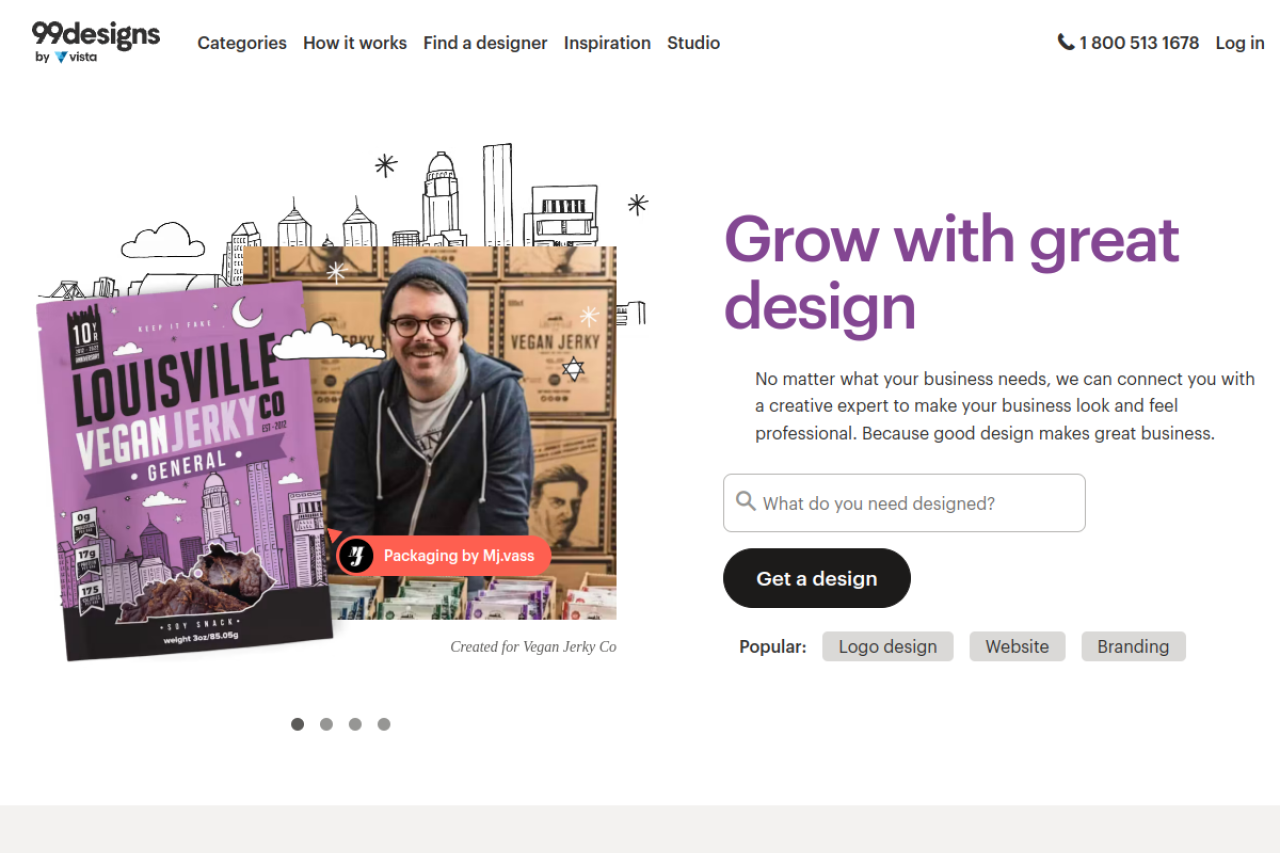
99designs is the world's largest online graphic design marketplace, now part of Vistaprint, running two models: contests, where many designers submit concepts and one wins, and one-to-one projects with a single hired designer. Covering logos, branding, web design, packaging, and illustration across 192 countries, it suits designers building portfolios and clients wanting options.
Contests vs One-to-One Projects
In contests, a client posts a brief with a prize, dozens of designers submit concepts, and only the winner gets paid — brutal economics, but fast portfolio-building and occasional big wins. One-to-one projects work like normal freelancing: the client hires you directly through the platform at agreed pricing. Most established designers treat contests as lead generation and shift serious clients to direct projects. Designer levels (entry to platinum) gate higher-value opportunities, so early wins and strong reviews unlock better-paying work over time.
Fees and Designer Economics
99designs builds platform fees into its pricing tiers rather than charging a simple commission; designers see what they'll earn when entering a contest or quoting a project, with client introduction fees applying to new direct relationships. The honest math: contest-only designers earn poorly per hour because most entries lose. The designers who profit use contests strategically — entering selectively, winning enough to climb levels, then converting relationships into paid one-to-one work. Treat it as a client-acquisition channel with costs, not a salary.
Tips for getting hired on 99designs
- Enter contests selectively; quality briefs beat high-volume participation.
- Convert contest winners into one-to-one clients for steady income.
- Climb designer levels early to unlock higher-value client opportunities.
Related platforms
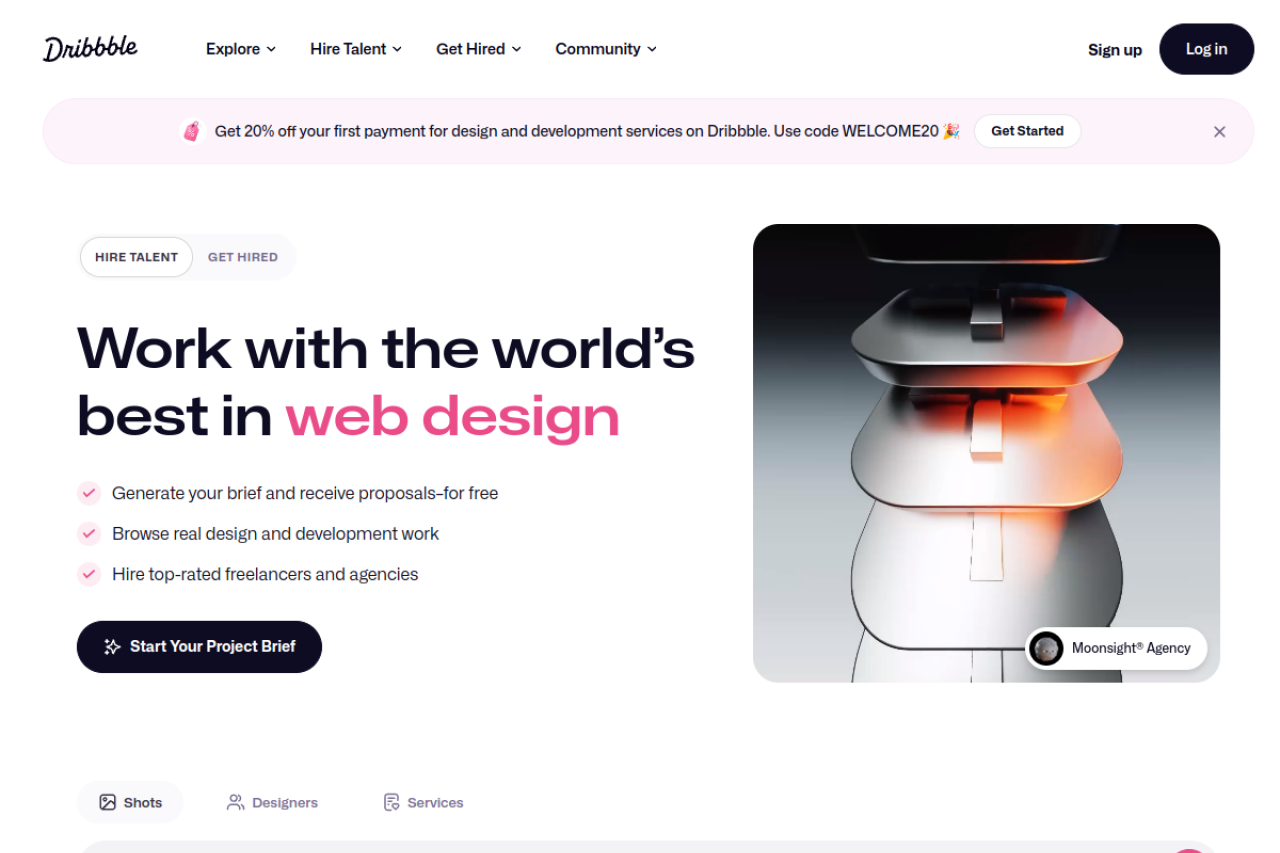
Dribbble
The designer community where portfolios turn into job offers.
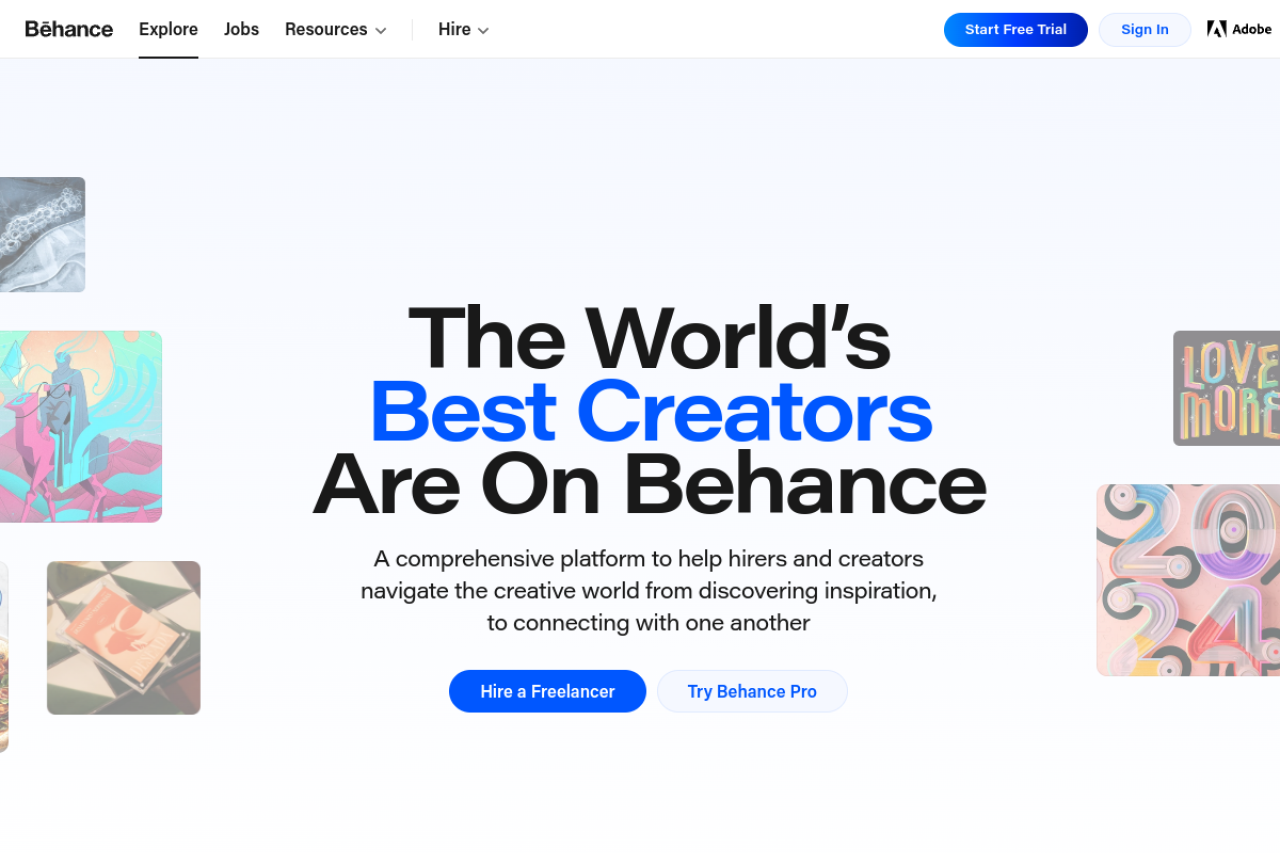
Behance
Adobe's free portfolio network where agencies discover creatives.
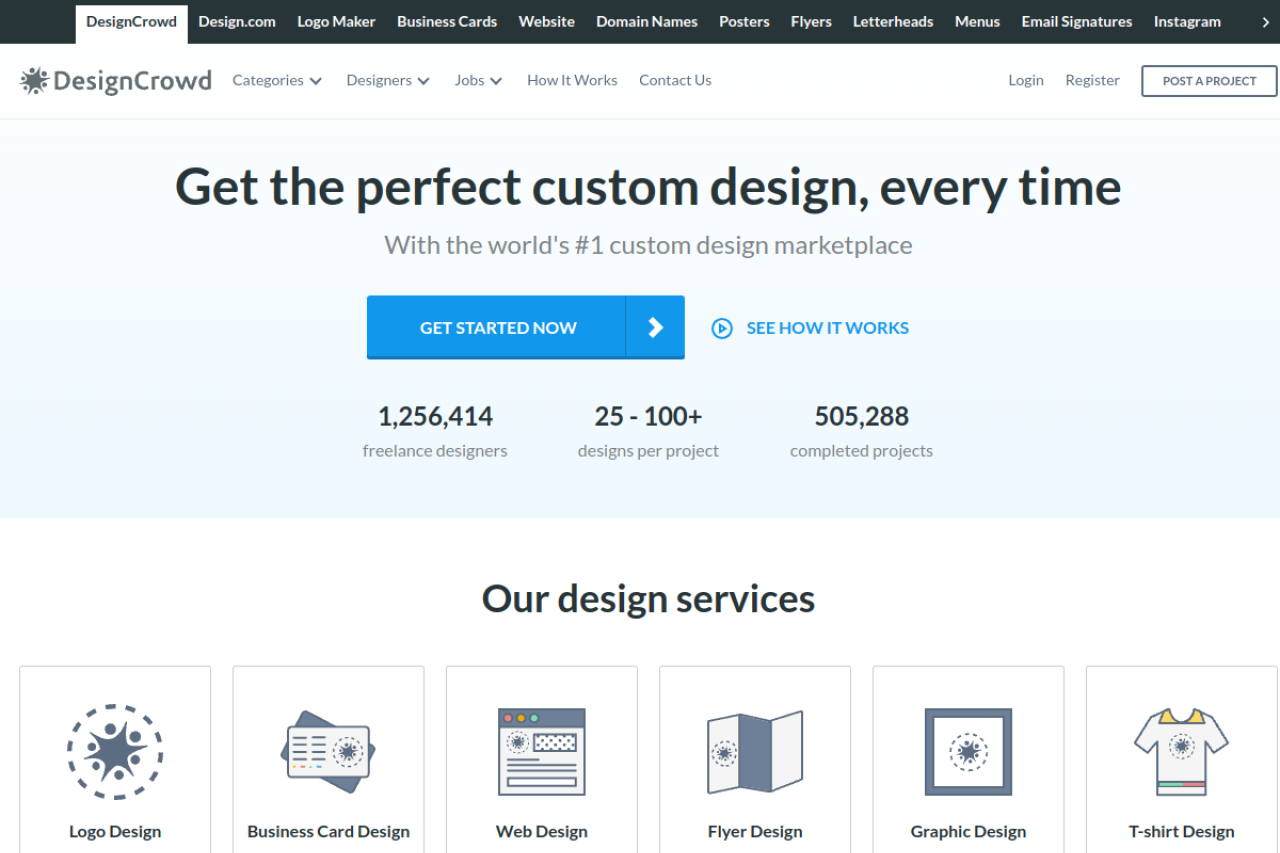
DesignCrowd
Australia-born contest marketplace for logos, web, and print design.