Turing
AI-matched remote software jobs with Silicon Valley-caliber companies.
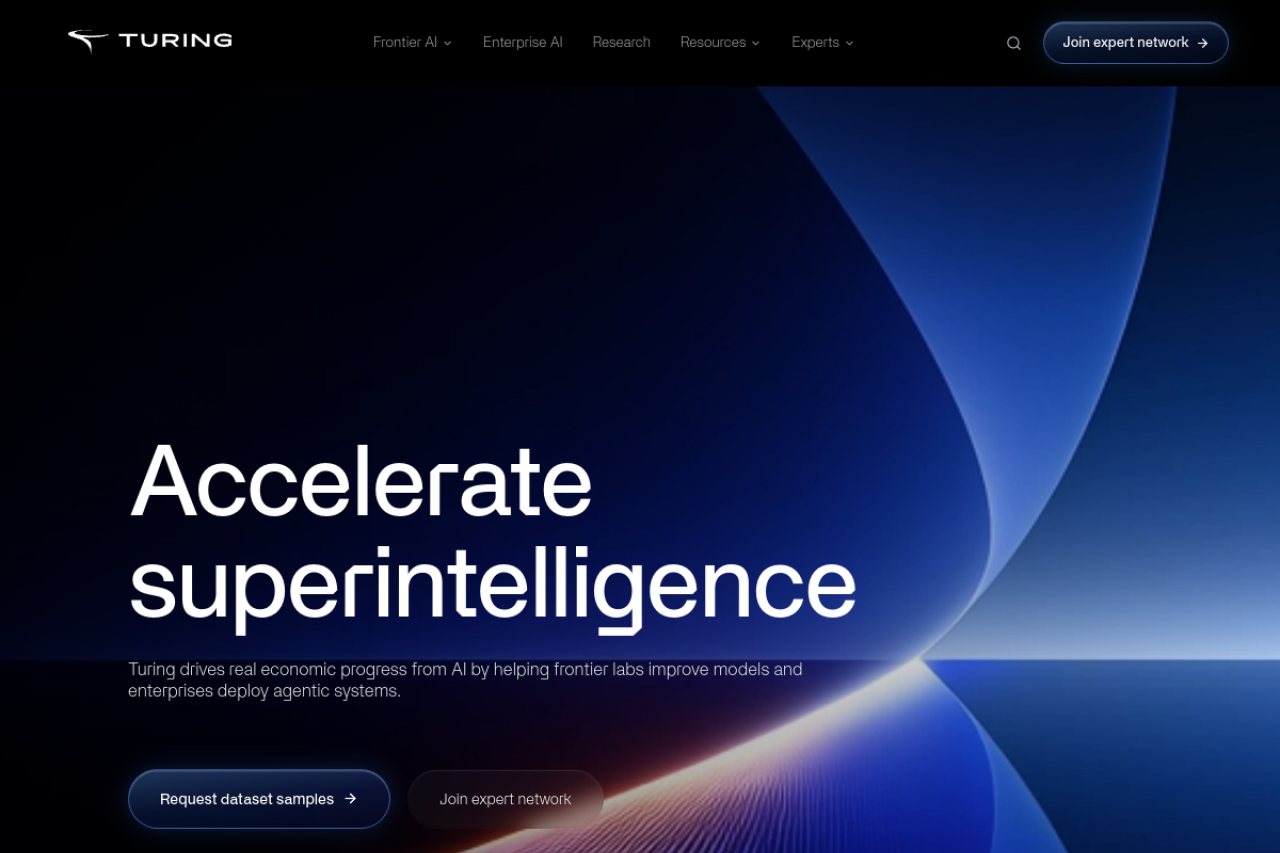
Turing is an AI-powered platform that matches pre-vetted software developers with remote roles at US-caliber companies. Developers join free from 150+ countries, complete automated tests and interviews, and get matched to long-term contracts — the platform emphasizes durable engagements over gig work. Strengths include full-stack, AI/ML, cloud, blockchain, and data science roles.
AI Vetting and Matching
Turing's funnel is heavily automated: skills tests across your stack, coding challenges, and interviews feed an AI matching engine that pairs you with client companies. Pass vetting and you're matched to roles — mostly full-time, long-term remote contracts rather than small projects. That suits developers seeking stability without relocating. The tests are demanding and cover both fundamentals and frameworks, so prepare as you would for a rigorous technical interview at a product company.
Costs, Contracts, and Day-to-Day
Turing is free for developers; client companies pay the platform. Compensation is positioned as competitive with US market expectations, though actual offers vary by role and seniority. Contracts typically expect significant timezone overlap with US teams and sustained availability, which is the real requirement beyond technical skill. Because engagements are long-term, there's less hustling than on marketplaces — but also less flexibility to juggle many clients. Reliable delivery and communication determine whether you get extended or rematched.
Tips for getting hired on Turing
- Prepare for tests like a real technical interview; vetting is demanding.
- Ensure several hours of daily overlap with US timezones.
- Treat your first contract as an audition for long-term extensions.
Related platforms
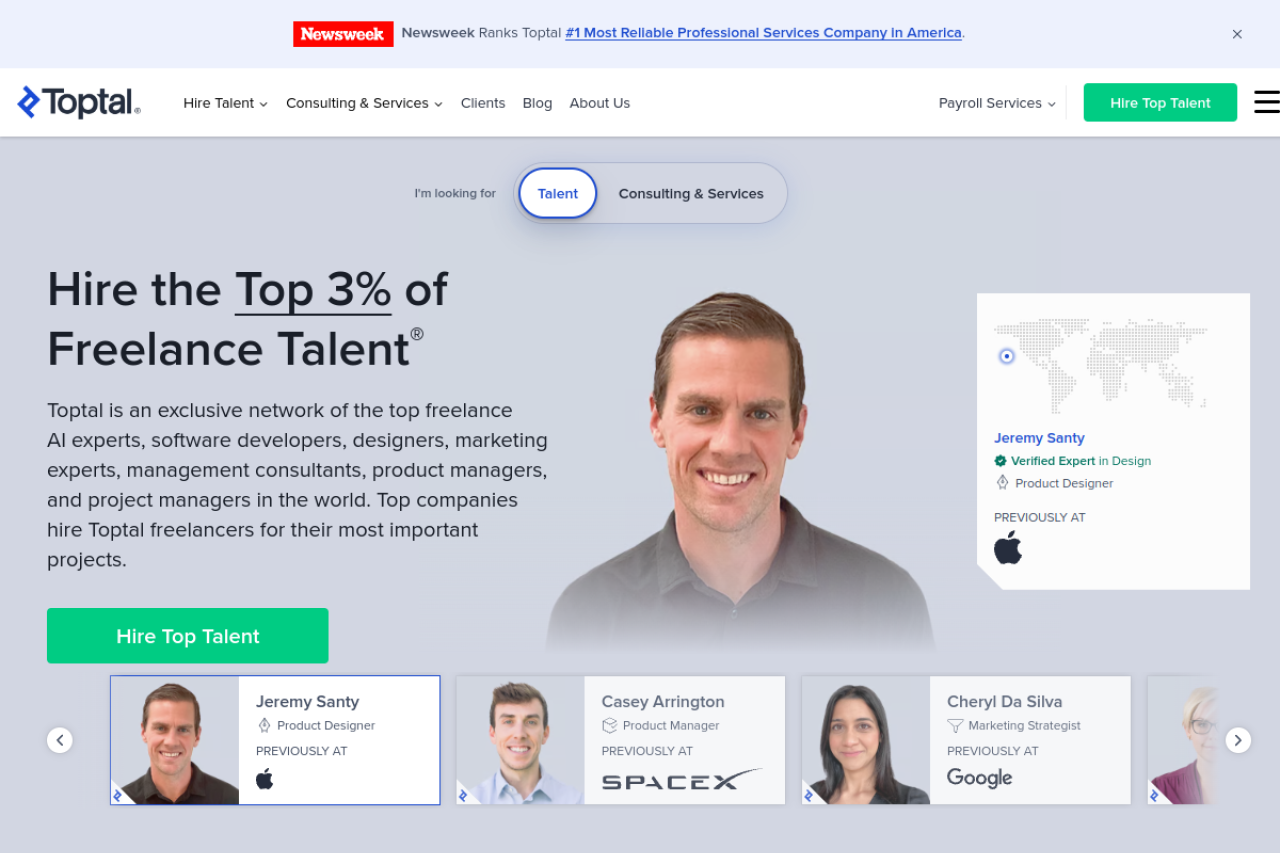
Toptal
An invite-only-caliber network screening for the top 3% of talent.
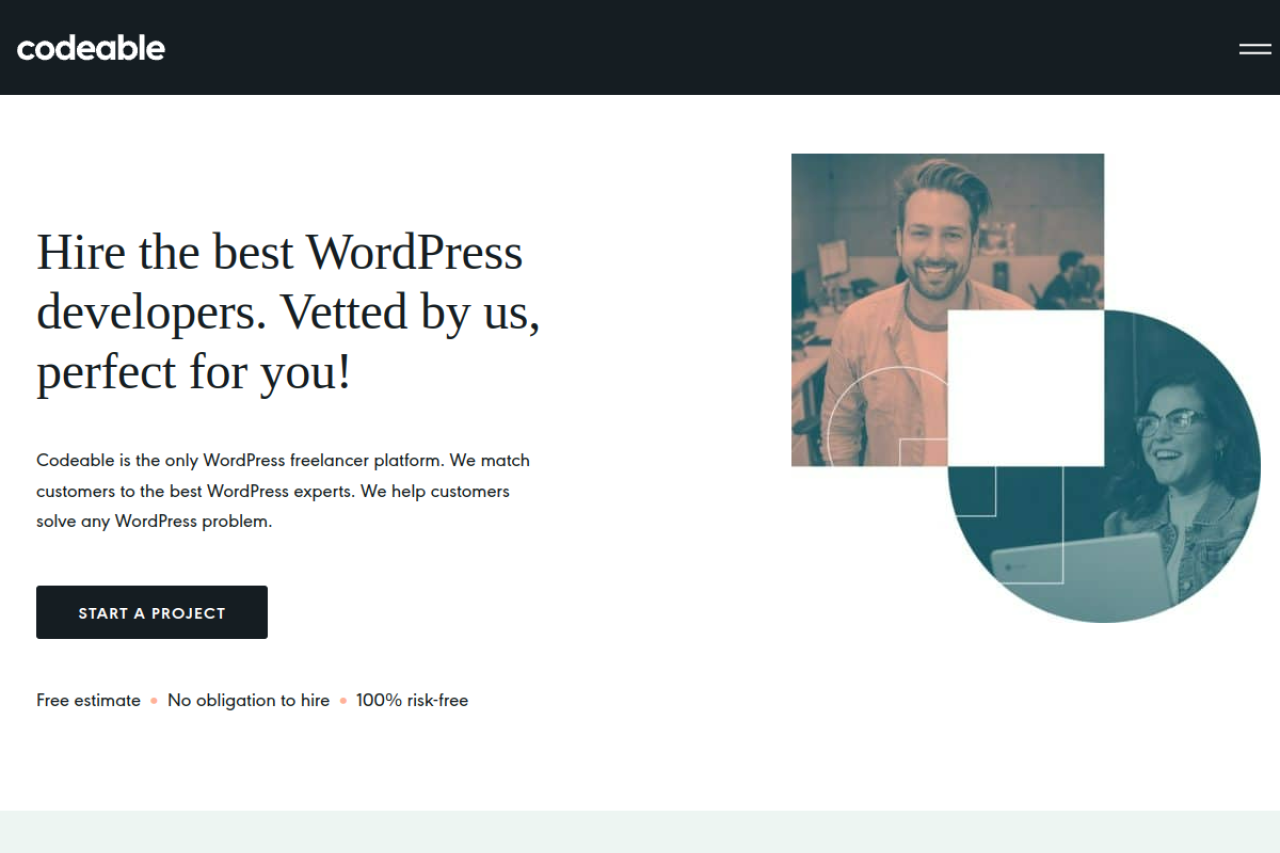
Codeable
The vetted marketplace exclusively for WordPress and WooCommerce experts.
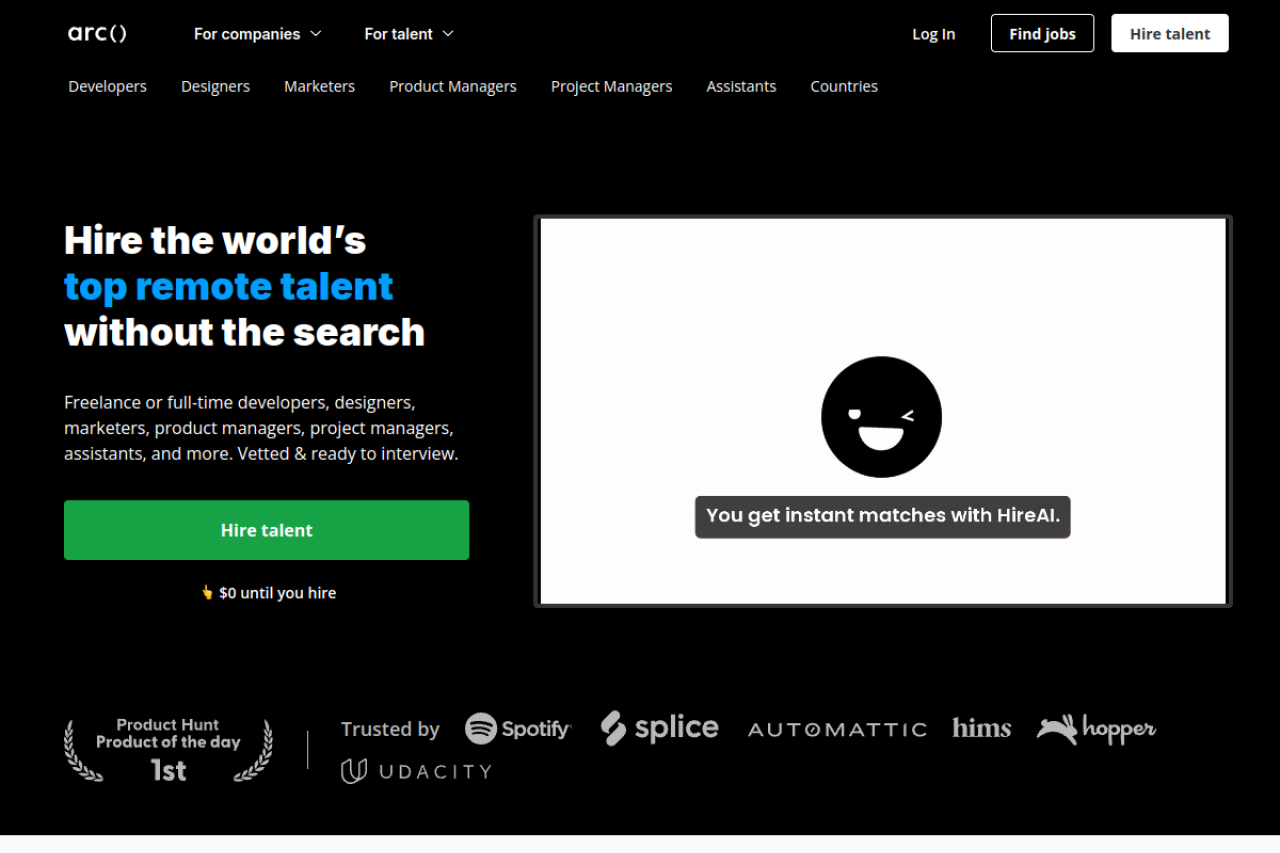
Arc.dev
Vetted remote developer matching — free for talent, companies pay.